Testing N95 Masks at Home: A Guide to Ensuring Proper Fit and Function
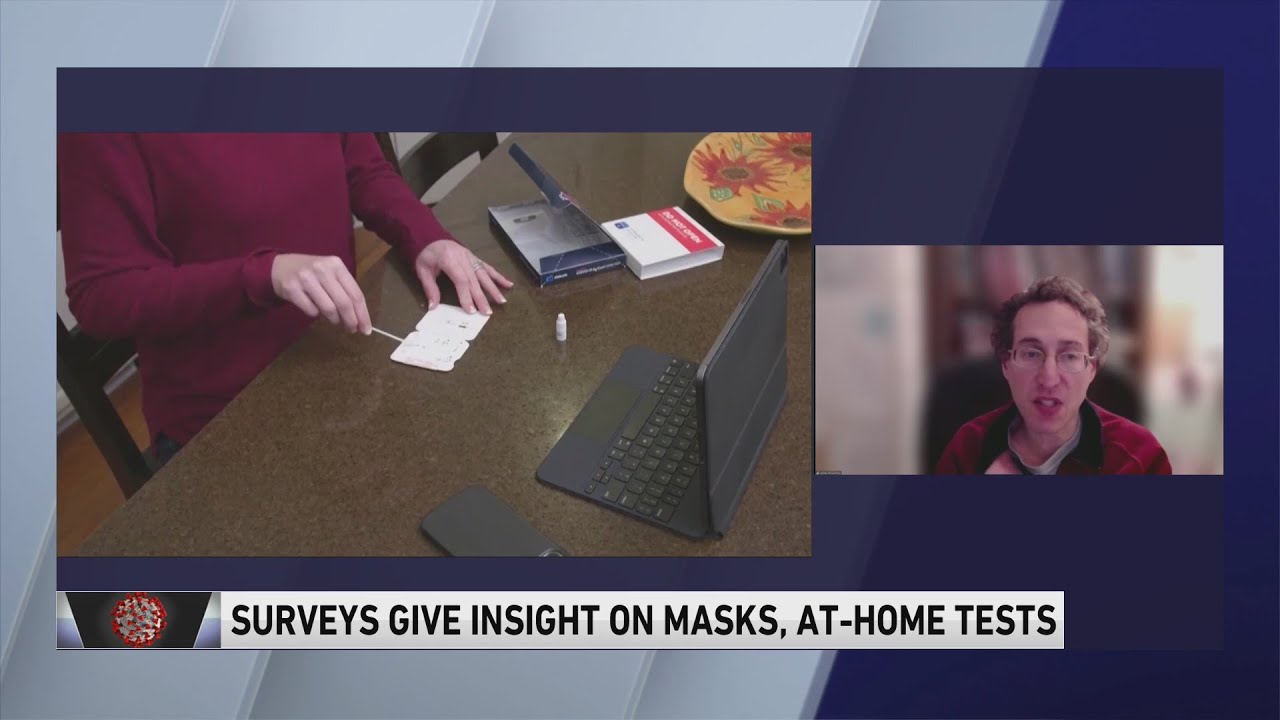
The **Centers for Disease Control and Prevention (CDC)** recommends checking the fit of an N95 mask before wearing it in public. To test the mask at home, users
Summary
The **Centers for Disease Control and Prevention (CDC)** recommends checking the fit of an N95 mask before wearing it in public. To test the mask at home, users can follow simple steps such as checking for a tight seal around the face and ensuring the mask is not damaged or contaminated. **N95 manufacturers** often provide instructions for the suggested length of use for their masks on the box or online. It's also important to note that **N95 masks are not intended for use by children**, but some brands offer smaller sizes that may fit children's faces. For more information on N95 masks, visit the [[cdc|CDC]] website or check out the [[niosh|NIOSH]] guidelines. Additionally, you can learn more about **[[personal-protective-equipment|personal protective equipment]]** and how to choose the right mask for your needs.
Key Takeaways
- The CDC recommends checking the fit of an N95 mask before wearing it in public
- N95 masks are not intended for use by children
- N95 manufacturers often provide instructions for the suggested length of use for their masks on the box or online
- The effectiveness of N95 masks in preventing the spread of airborne pathogens is still being studied
- Individuals can take steps to ensure their N95 mask is working properly by following the CDC's guidelines and taking precautions to prevent the spread of airborne pathogens
Balanced Perspective
The CDC's guidelines for testing N95 masks at home provide a useful resource for individuals who want to ensure their mask is working properly. However, it's essential to note that **N95 masks are not foolproof** and may not provide complete protection against all airborne pathogens. Additionally, the **[[cdc|CDC]]** recommends that users follow the manufacturer's instructions for the suggested length of use and replace the mask if it becomes damaged or contaminated. For more information on **[[mask-effectiveness|mask effectiveness]]**, visit the CDC website or check out the [[niosh|NIOSH]] guidelines.
Optimistic View
The ability to test N95 masks at home is a significant advantage, as it allows users to ensure their mask is working properly and provides an additional layer of protection against airborne pathogens. This is especially important for **healthcare workers** and individuals who work in high-risk environments. By following the simple steps outlined by the CDC, users can have confidence in their mask's ability to filter out 95% of airborne particles. For more information on **[[n95-masks|N95 masks]]**, visit the CDC website or check out the [[niosh|NIOSH]] guidelines.
Critical View
The fact that N95 masks can be tested at home may provide a false sense of security for some users. **N95 masks are not a substitute for other protective measures**, such as social distancing and proper hand hygiene. Furthermore, the **[[cdc|CDC]]** notes that N95 masks are not intended for use by children, which may leave some families without adequate protection. For more information on **[[child-safety|child safety]]** and mask use, visit the CDC website or check out the [[niosh|NIOSH]] guidelines.
Source
Originally reported by NBC News