
Contents
Overview
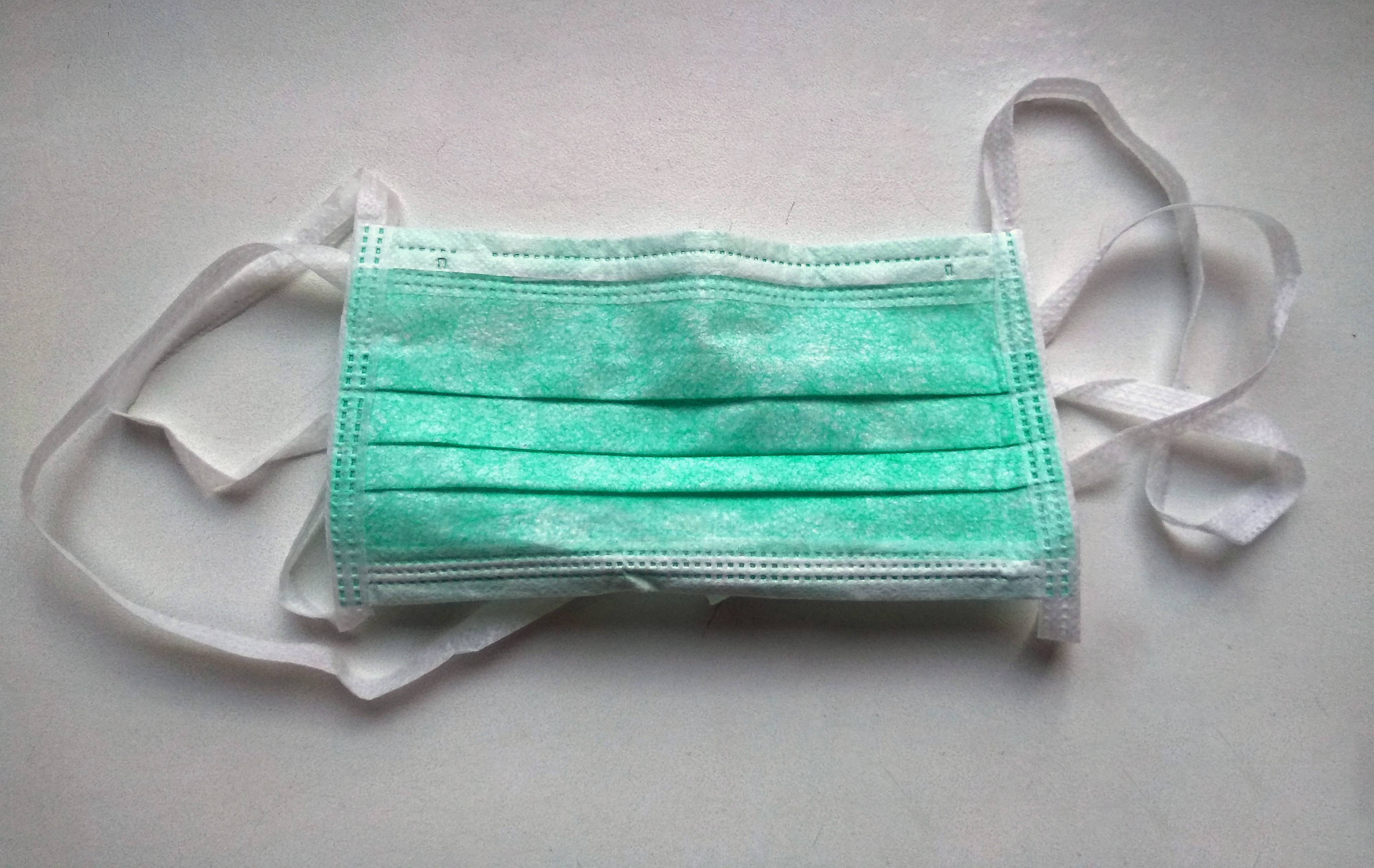
Surgical masks, also known as medical face masks or procedure masks, are a type of personal protective equipment used by healthcare professionals to reduce airborne transmission of pathogens and other aerosolized contaminants. They serve as a mechanical barrier that interferes with direct airflow in and out of respiratory orifices, helping to prevent the spread of diseases. Surgical masks are used in a variety of medical settings, including hospitals, clinics, and dental offices, and are an essential tool in the prevention of infectious diseases.
🎵 Origins & History
Origins paragraph — The concept of using masks to prevent the spread of diseases has been around for some time. Surgical masks are used in a variety of medical settings, including hospitals, clinics, and dental offices, and are an essential tool in the prevention of infectious diseases.
⚙️ How It Works
How it works — Surgical masks work by filtering out airborne pathogens and other aerosolized contaminants, preventing them from being inhaled by the wearer. They are typically made of a thin layer of material, such as paper or plastic, that is designed to trap particles. The mask is placed over the nose and mouth, and the edges are sealed to prevent air from escaping. When the wearer breathes in, the air is filtered through the mask, removing any airborne pathogens or contaminants.
📊 Key Facts & Numbers
Key facts — Surgical masks are available in a variety of sizes and styles, including pediatric and adult sizes. They are used in a variety of medical settings, including hospitals, clinics, and dental offices, and are an essential tool in the prevention of infectious diseases.
👥 Key People & Organizations
Key people — The Centers for Disease Control and Prevention (CDC) and the World Health Organization (WHO) are two of the leading organizations that provide guidance on the use of surgical masks in the prevention of infectious diseases.
🌍 Cultural Impact & Influence
Cultural impact — The use of surgical masks has become a cultural phenomenon in many countries, particularly in Asia. They are worn as a precautionary measure to prevent the spread of infectious diseases.
⚡ Current State & Latest Developments
Current state — Surgical masks are an essential tool in the prevention of infectious diseases. They are used in a variety of medical settings, including hospitals, clinics, and dental offices.
🤔 Controversies & Debates
Controversies — There are several controversies surrounding the use of surgical masks, including the effectiveness of the masks in preventing the spread of infectious diseases. Some studies have shown that surgical masks may not be effective in preventing the spread of certain diseases.
🔮 Future Outlook & Predictions
Future outlook — The future of surgical masks is likely to involve the development of new materials and technologies that improve the effectiveness and sustainability of the masks.
💡 Practical Applications
Practical applications — Surgical masks have a variety of practical applications, including in healthcare settings, such as hospitals and clinics, and in non-medical settings, such as schools and public transportation.
Key Facts
- Category
- mask-types
- Type
- concept